Case study
Today’s The Day
Adventure / Parkour · Unreal Engine 5 · Solo
- Genre
- Adventure / Parkour
- Engine
- Unreal Engine 5
- Team
- Solo
- Development time
- 3 weeks
- My role
- Game Designer / Level Designer
- Also handled
- Blueprint implementation, environment setup, lighting, set dressing, basic custom assets
Gameplay video
A short walkthrough of the level showing the full player route, traversal moments and environmental hazards.
Level concept
The goal was a continuous traversal experience where pacing builds gradually from exploration and basic movement into intense parkour and environmental hazards as the player closes in on the objective.
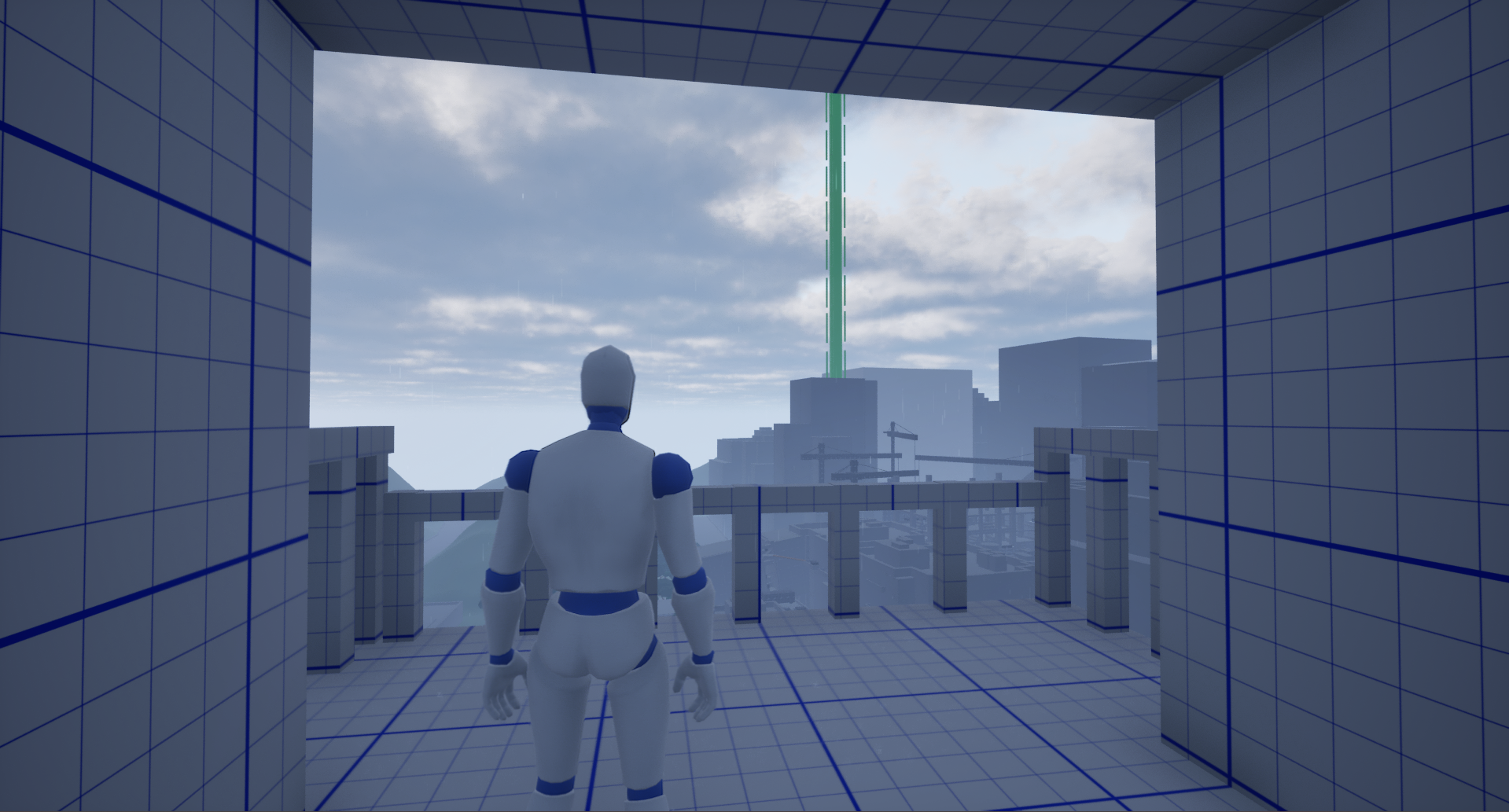
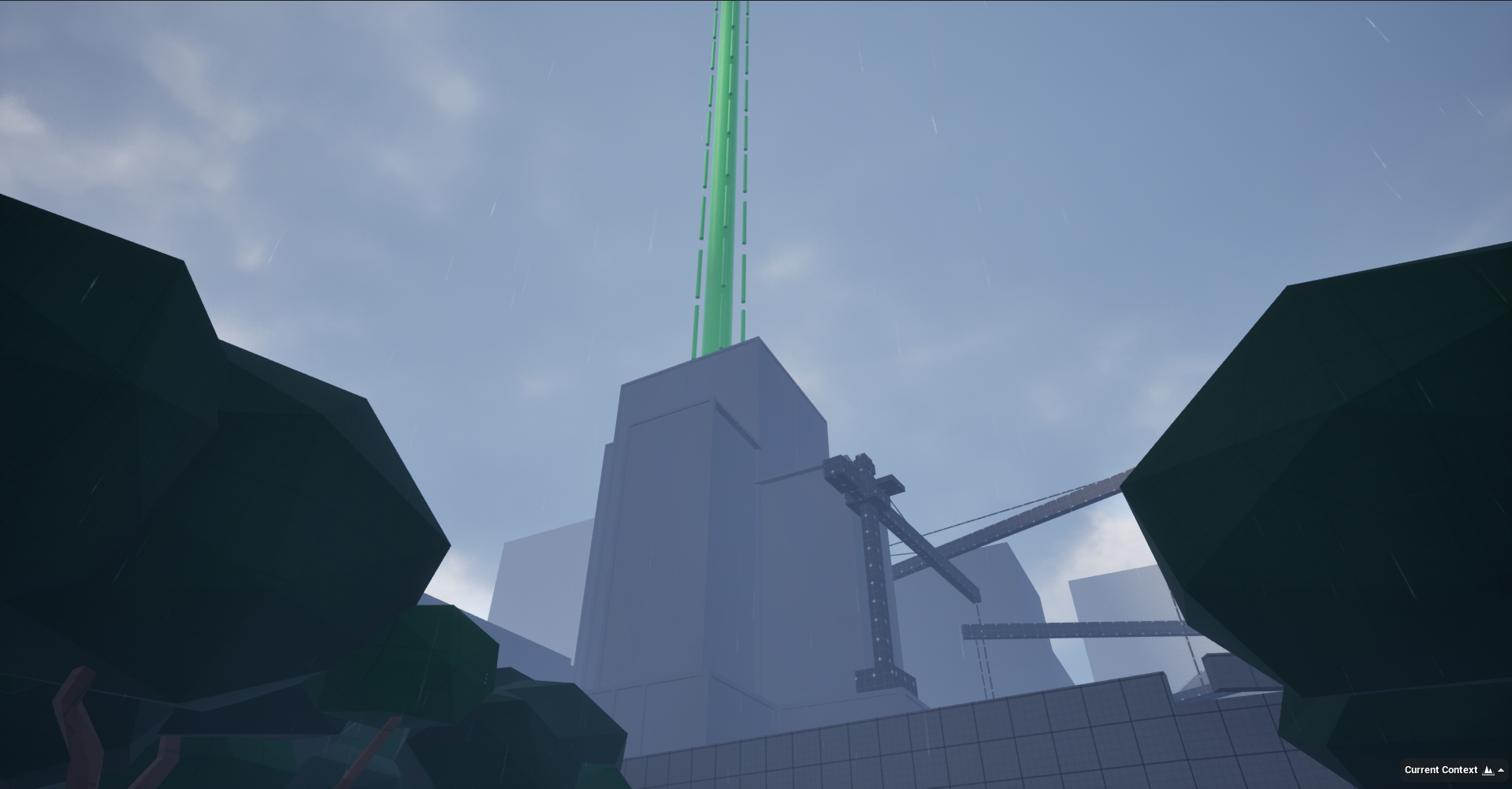
The laser works as a recurring visual landmark. You can see it from the prison balcony, the science research building, parts of the vents, the mountain, the highway and several other spots.
That gave the player a clear sense of direction without leaning on explicit navigation markers. The environment itself says where you’re heading.
Level design process
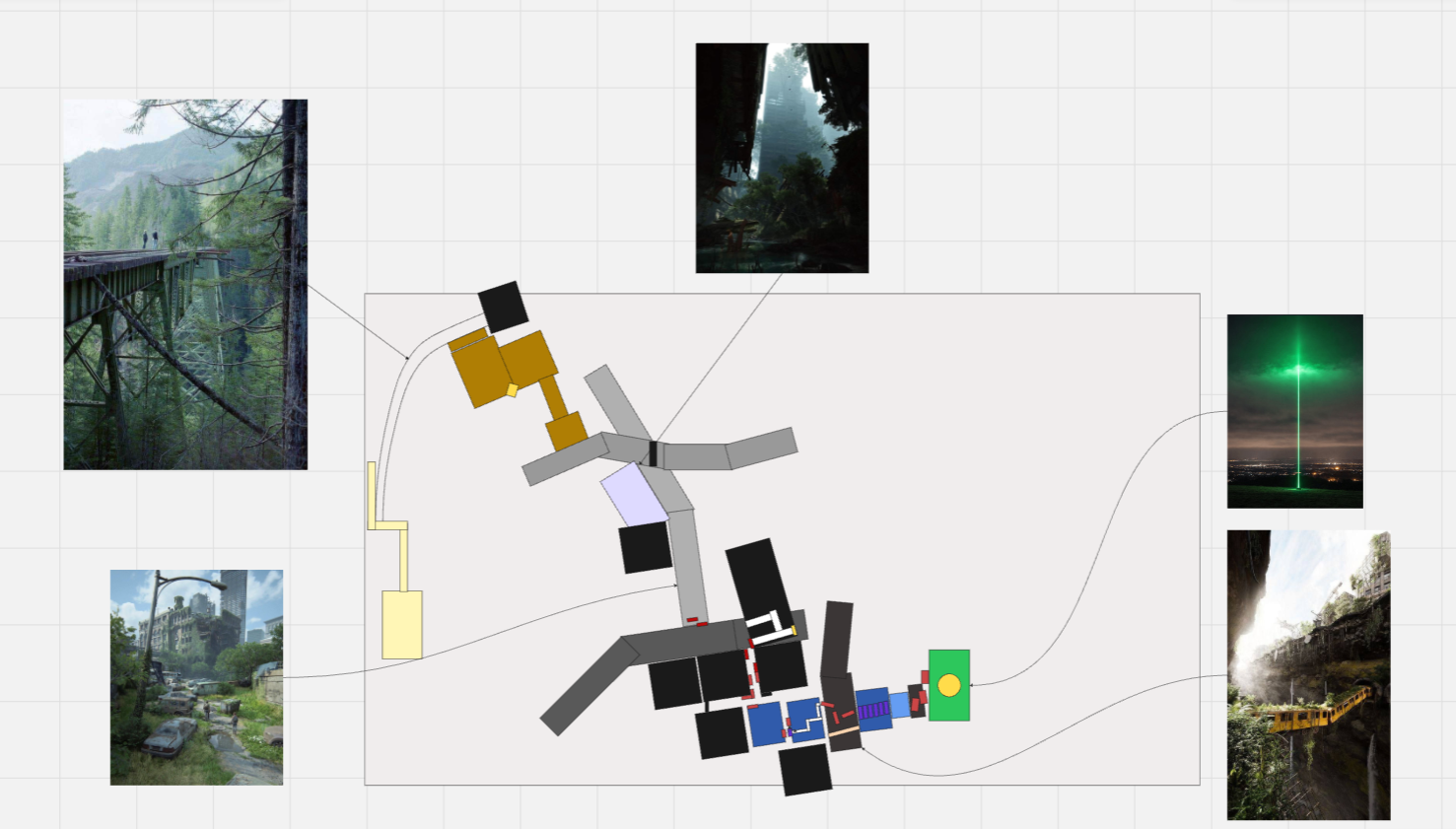
I planned the level in Miro first. I decided where the player starts and where they need to end up, then drew a rough top-down layout connecting the major areas.
At that stage I only cared about the route, meaning how the player gets from one space to the next, before thinking about environmental detail. Once the route held up, I moved the layout into Unreal Engine 5 and blocked out the whole level.
Blockout
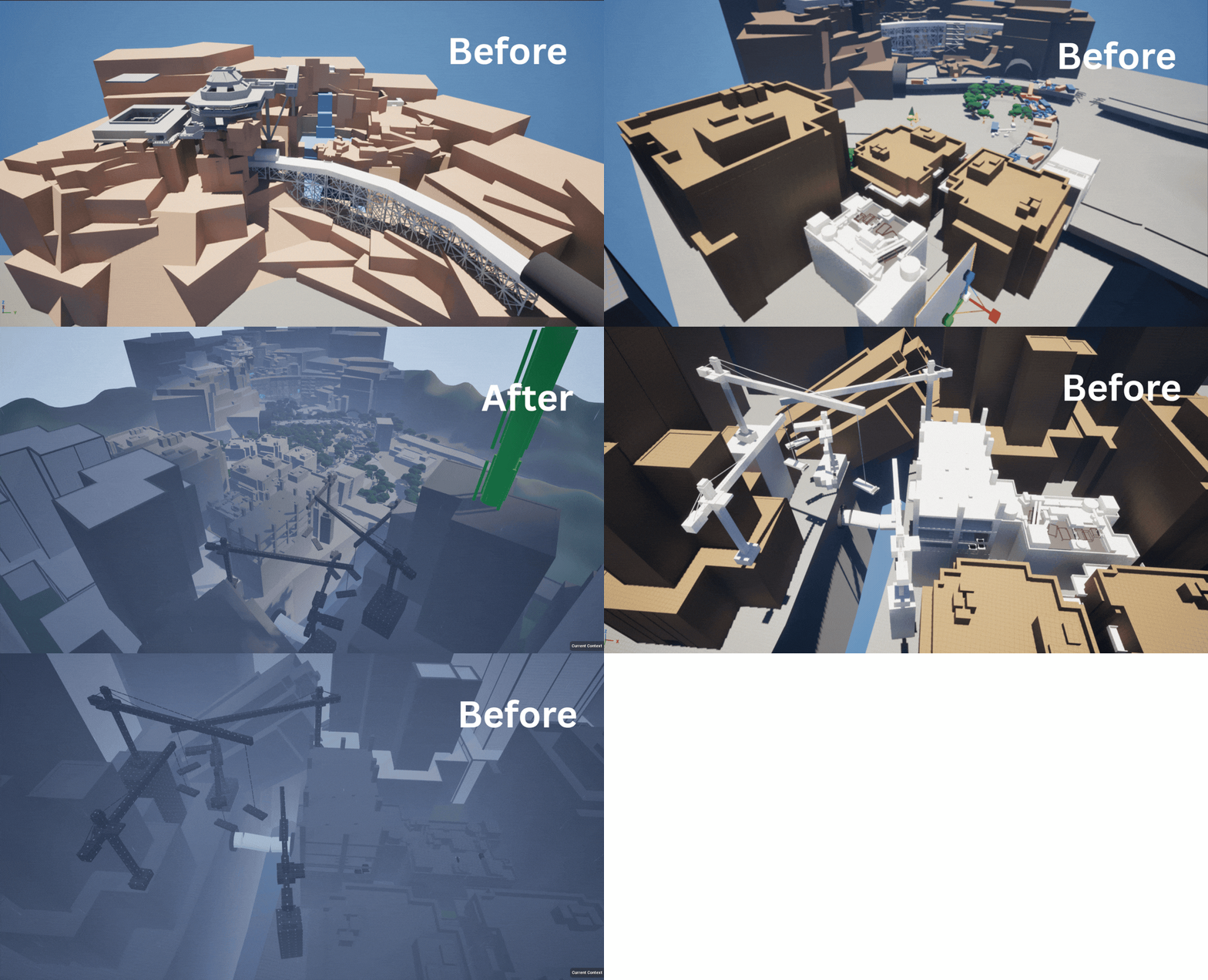
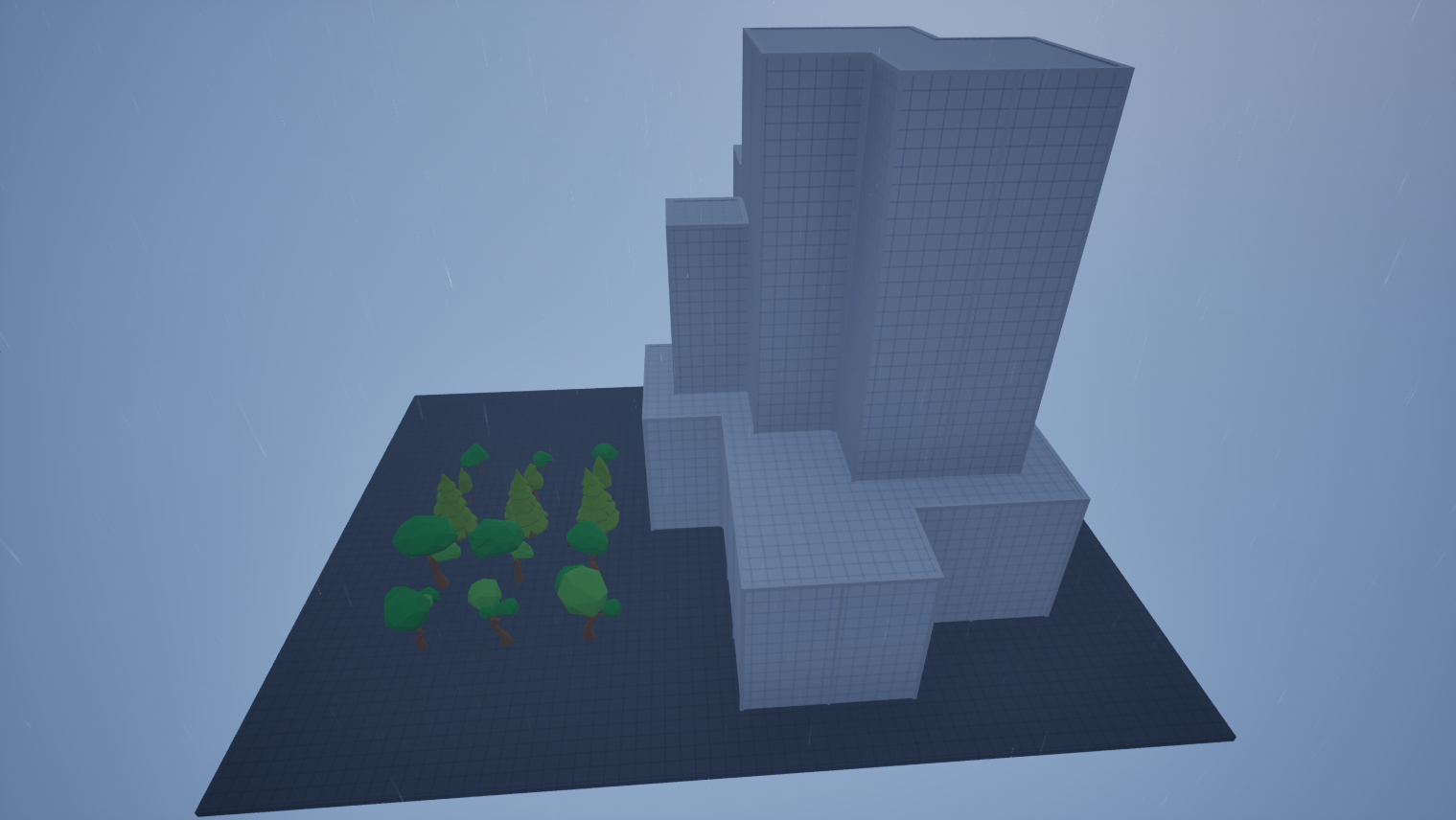
I blocked out the entire level with simple geometry: terrain, buildings and interiors. I built the full player route first and playtested it repeatedly before adding any detail.
A big part of that pass was testing jump distances and making sure the intended parkour routes were actually possible. Buildings, roads, platforms, gaps and traversal spaces all got adjusted based on how the player moved through them.
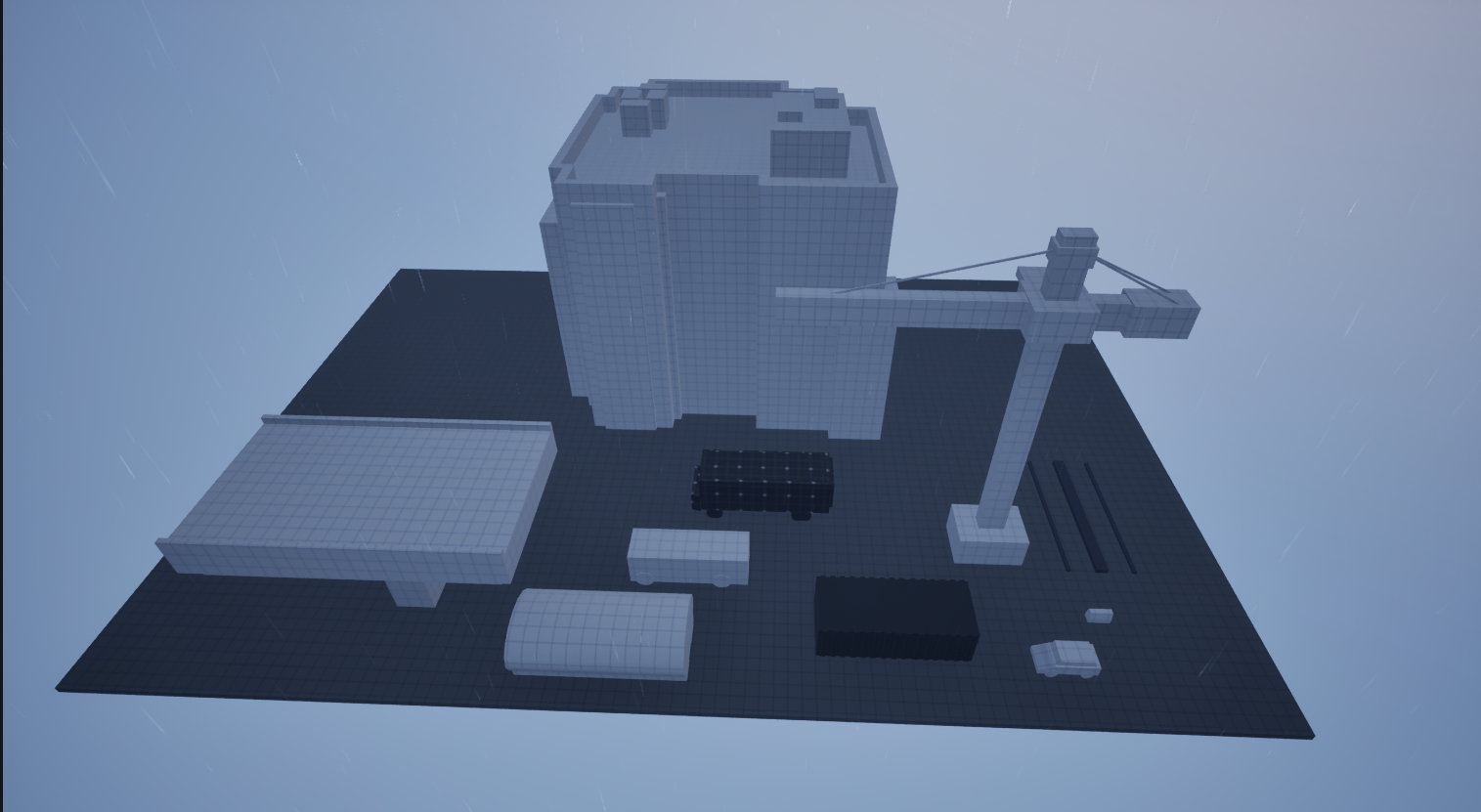
I also made a few simple custom assets during this phase: a car, bus, train, train bridge and flyover. They’re deliberately basic and mainly exist to support the layout and the slightly futuristic setting.
Project overview
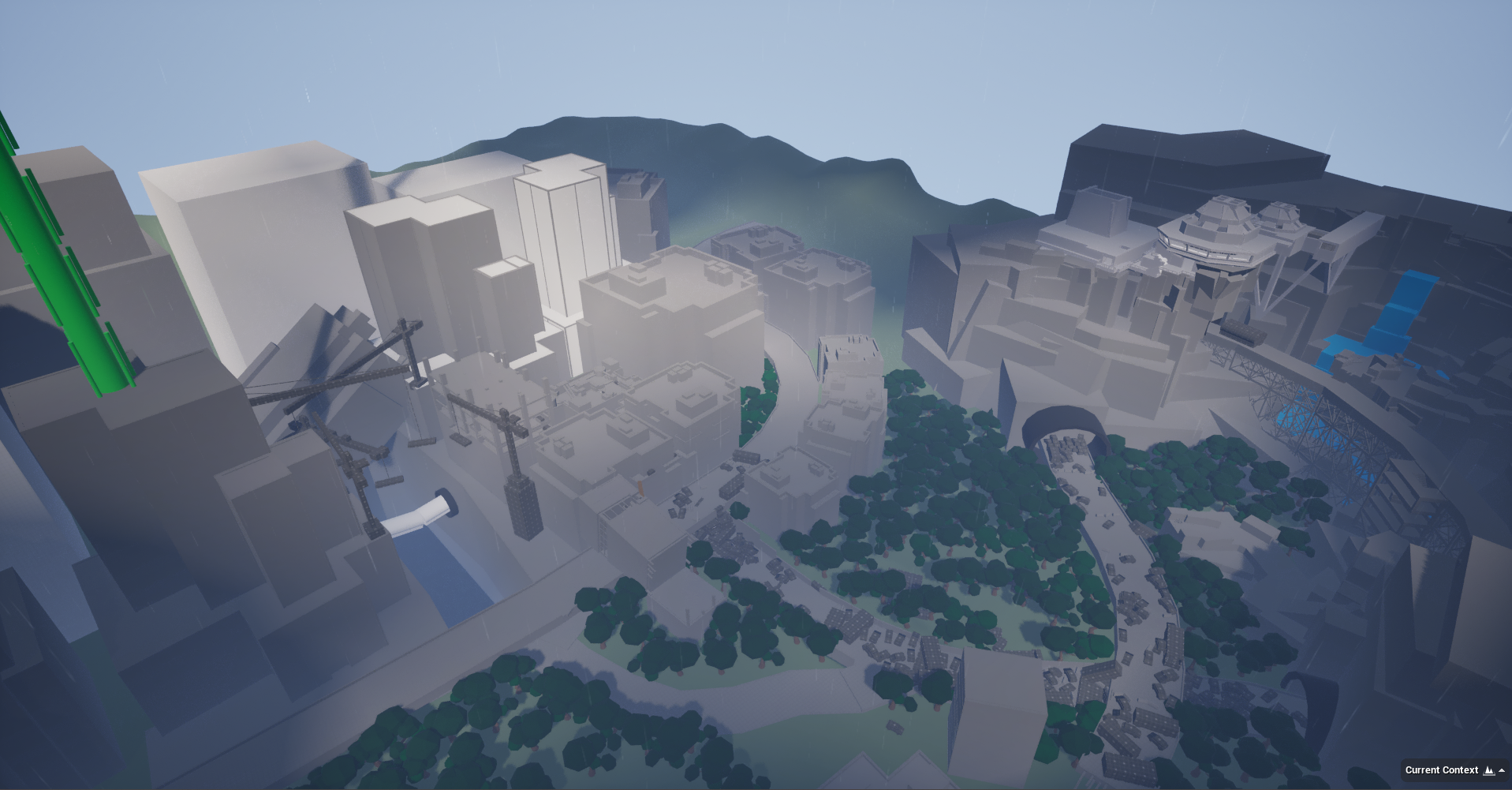
Today’s The Day is a post-apocalyptic adventure parkour level set in a world where an AI has taken control and civilization has begun to collapse.
You play a ranger who escapes from a prison and makes their way through a deteriorating world toward a mysterious building firing a laser into the sky. Rumours say the laser is tied to the AI’s power source, which makes that building the final destination.
The level is about traversal, navigation and pacing rather than combat. The player has to read the environment, find the intended route and use the parkour mechanics to push through increasingly dangerous areas.
Traversal & parkour design
Traversal is the core of the level.
I designed the route around the movement systems available through GASP, using mechanics such as:
- Running
- Jumping
- Climbing
- Wall running
- Vaulting
- Sliding
- Ledge grabbing
- Grappling
- Falling
I didn’t build those traversal mechanics. My job was designing the environment around them. I decided which balconies the player jumps between, which buildings they climb, which roofs act as traversal paths, where gaps should be jumpable, and how the crane section leads toward the final building.
Explore → Find the route → Parkour → Overcome an obstacle → Navigate → Continue
Navigation & player guidance
The level is mostly linear on purpose, but I still wanted players to feel like they were working out their own way through it. The guidance is all environmental:
- The laser as a long-distance landmark
- Buildings that point toward the next area
- Openings and windows that reveal routes
- Parkour surfaces that read as climbable
- Geometry that frames the intended direction
During playtesting some routes were too easy to spot, so I reworked those areas to make the next path less obvious while keeping the overall progression readable. The aim was to give the player enough to make a decision without simply telling them where to go.
Final objective
The destination is the building emitting the laser. Because the player has seen it from so many places across the level, arriving there feels like the end of a journey rather than just another room.
The player simply reaches the building at the end of this level. The mystery around the laser and its link to the AI is what drives them there.
Pacing & escalation
Pacing was a major focus. I wanted the level to build from exploration and simple movement into demanding traversal and environmental hazards.
- 01 Exploration
- 02 Basic traversal
- 03 Environmental hazards
- 04 More demanding parkour
- 05 Collapsing structures
- 06 Complex traversal
- 07 Final crane sequence
- 08 Final objective
The intent is that the player feels increasingly under pressure the closer they get to the final building. Some areas felt too slow in testing, so I added faster traversal and survival moments to hold the momentum.
Playtesting & iteration
I playtested it myself through repeated full and partial runs, once as someone who knew the route, and again deliberately looking at sections the way a new player would.
Where things got confusing I reworked the layout and surrounding environment so the intended path reads better without becoming completely obvious. I also tested jump distances over and over and adjusted parkour sections that felt unfair or inconsistent. Some jumps are meant to be hard because I wanted precise movement in those spots, but they still had to feel achievable.
A full run takes roughly 10 minutes once you know the route.
Problems & solutions
Some sections felt too slow.
Added faster traversal and survival-oriented moments to keep the player moving.
Some parkour jumps were too difficult.
Tested the jumps repeatedly and adjusted distances and surrounding geometry until they felt achievable.
Some routes were too obvious, others were confusing.
Reworked geometry, openings and traversal surfaces for a clearer but less predictable route.
Environmental events and Blueprint systems caused technical issues.
Iterated on the Blueprint logic and trigger-based events until the sequences behaved consistently.
Assets sometimes did not behave correctly in the level.
Tested and adjusted the assets and their placement as part of iteration.
The project had a limited development timeframe.
Prioritised the core route, traversal and major gameplay moments first, then built the environment and set dressing around them.
Blueprint & technical implementation
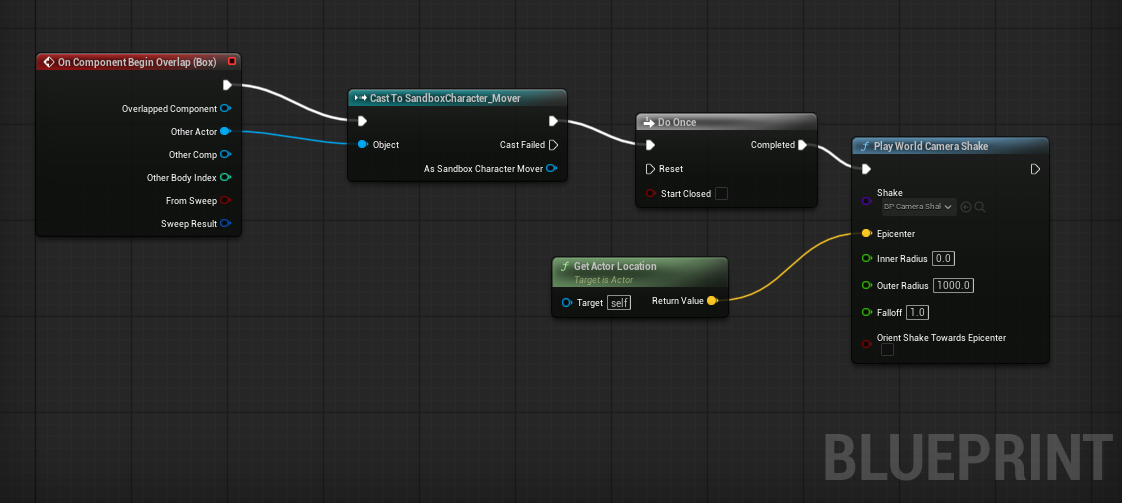
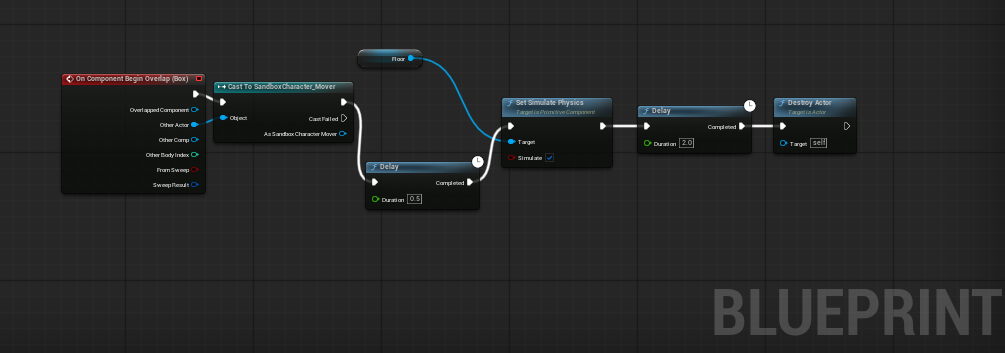
Alongside the level design I implemented a few simple environmental systems in Unreal using Blueprints:
- Camera shake events
- Trigger-based environmental events
- Falling roof sections
- Falling floor / environment sections
For the collapsing rooftop I used separate roof sections that drop vertically once the player crosses a trigger, with camera shake selling the collapse and adding urgency.
The project uses GASP for the character’s traversal capabilities. I didn’t create the traversal animations or movement system. I designed the level and its environmental challenges around the mechanics it provides.
Environment & asset creation
I created the level environment, layout, lighting and set dressing myself, plus a handful of simple custom assets:
- Car
- Bus
- Train
- Train bridge
- Flyover
They’re intentionally basic and exist to support the environment, scale and traversal layout. Other assets came from Fab and were used as part of the environment.
Created assets
Fab assets
What I’m most proud of
The complete journey and how the areas connect. I designed the whole level myself, from the first Miro layout and blockout through to the final environment, lighting, set dressing and traversal routes.
I’m especially happy with how it shifts from a fairly controlled prison escape into something much more intense: earthquakes, collapsing structures, hard parkour and the crane sequence at the end. Designing the environmental hazards was the most fun part, because they made the same traversal mechanics feel different depending on the situation.
What I would improve
- More environmental storytelling
- More variety in parkour challenges
- Refining the overall pacing
- More varied gameplay situations
- More environmental detail
- More variation in traversal
I’d also spend more time on the slower sections and add details that communicate the world and its history without leaning on dialogue.
Final reflection
This project let me take a level from a top-down idea all the way through blockout, traversal testing, environment creation and implementation in Unreal.
The biggest thing I learned is how much the environment can communicate on its own. Instead of relying on markers, I used landmarks, geometry, sightlines and traversal surfaces to guide the player.
It also taught me how pacing and traversal work together. A parkour section isn’t just about whether the jump is possible. Where it sits, how hard it is and what comes before and after it completely changes how the level feels.